Have No Doubt of the Omnipotence of a Free People (2025)
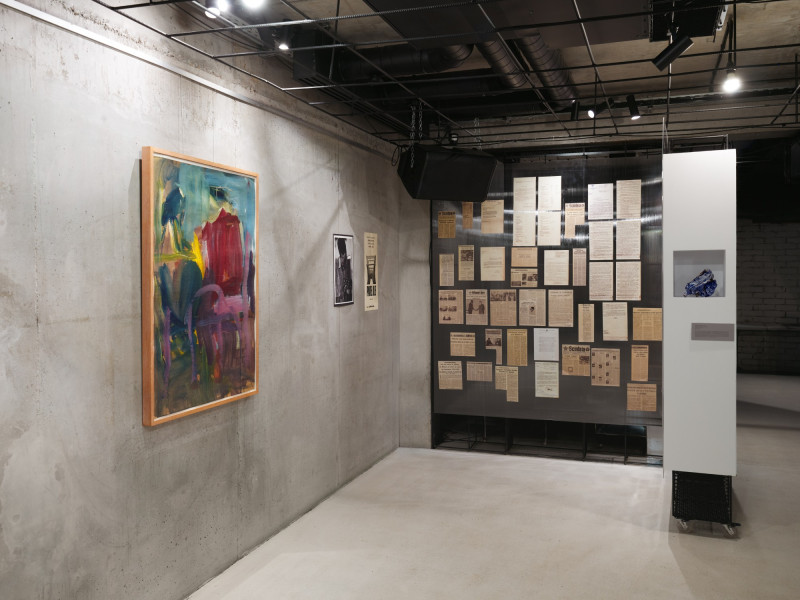
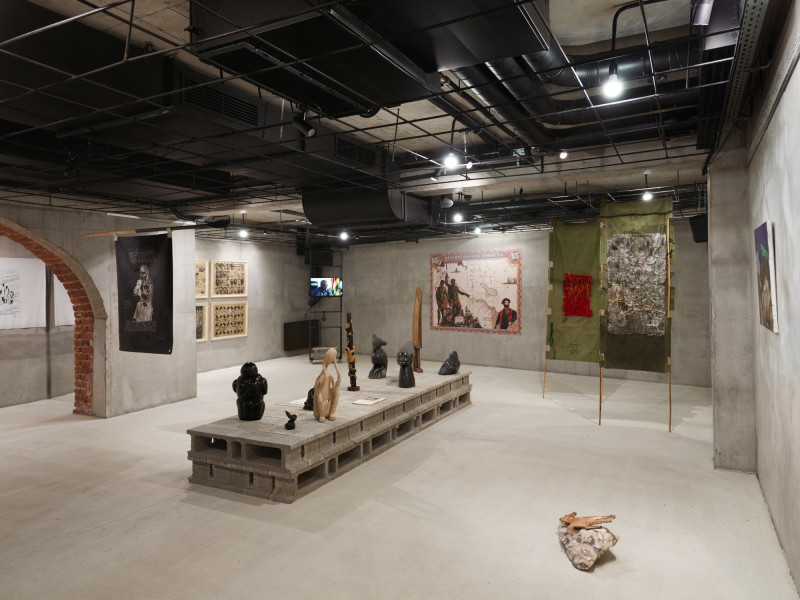
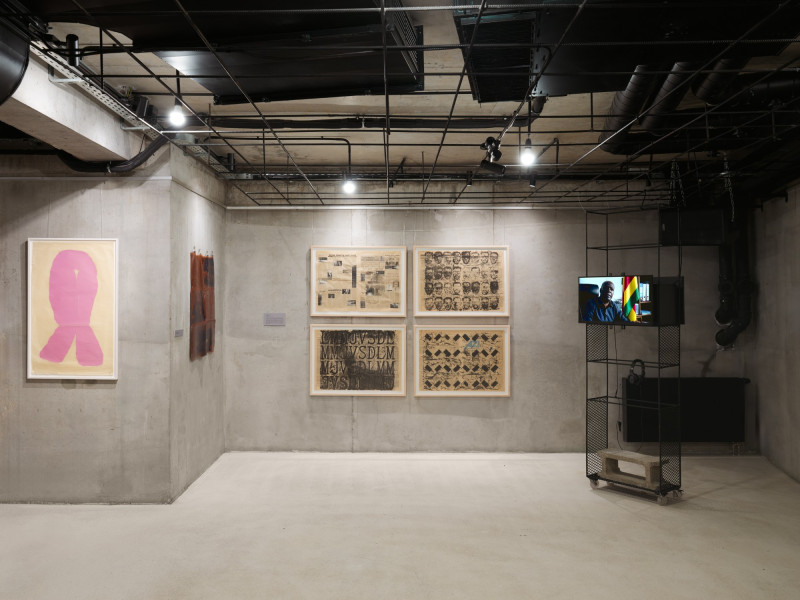
Have No Doubt of the Omnipotence of a Free People curated by Raphael Guilbert with assistant curators Ana-Maria Ștefan and Catinca Tabacaru, is the first exhibition to examine Romania’s role in Zimbabwe’s liberation struggle during the 1970s, situating this overlooked history within broader global processes of decolonization. The project brings together newly uncovered archival materials, first-hand testimonials, original texts, and historical and contemporary artworks that trace how artistic production has reflected—and continues to reinterpret—the entanglements between post-communist and post-colonial realities.
The Symposium expands the research framework of the Exhibition, which presents a significant constellation of museum-level works by major Romanian and Zimbabwean artists including key masters of the Shona sculpture tradition and contemporary artists making works in response to the project’s overarching themes. The exhibition, mounted across two spaces – Galeria Catinca Tabacaru and POINT in Bucharest – offers the visual and historical platform for the symposium’s discoussions, connecting archival research, artistic practice, and geopolitical analysis.
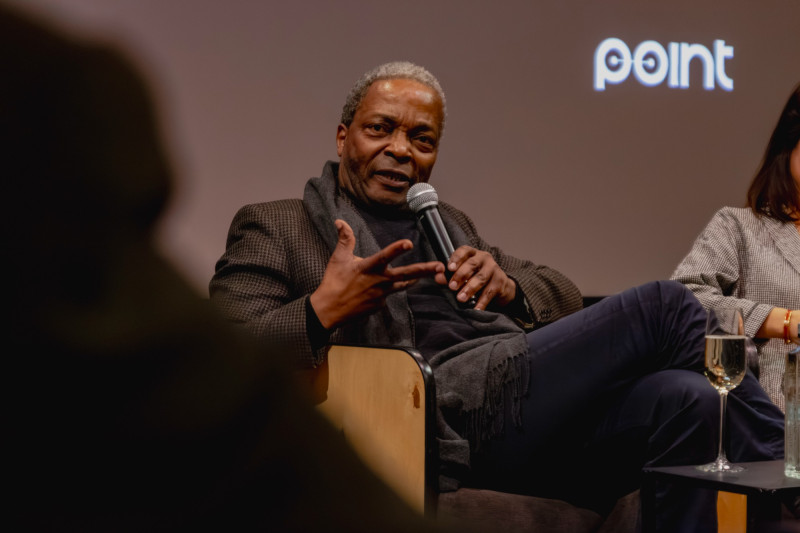
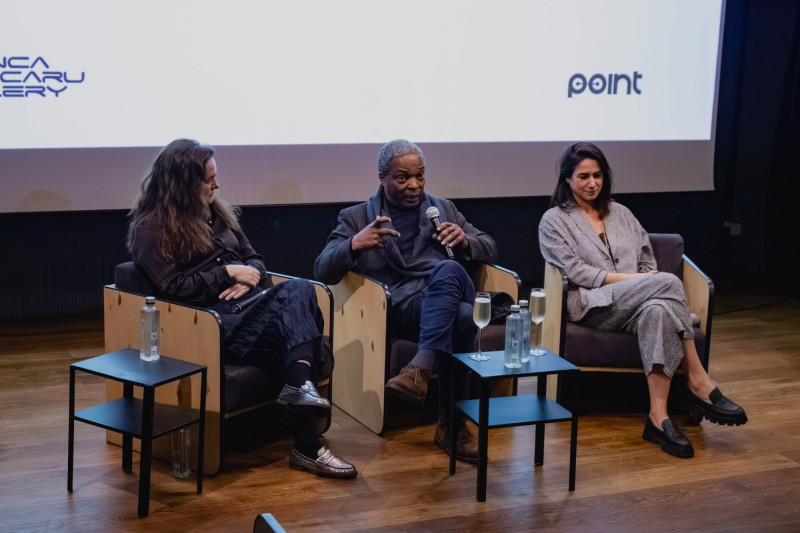
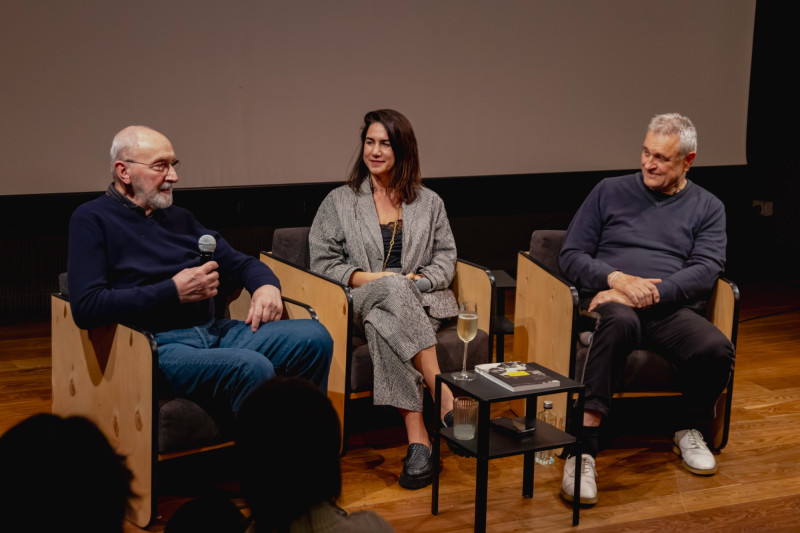
Talk X
Swiss curator Simon Njami (addresses the complexities and nuances of navigating careers between Africa and Europe)
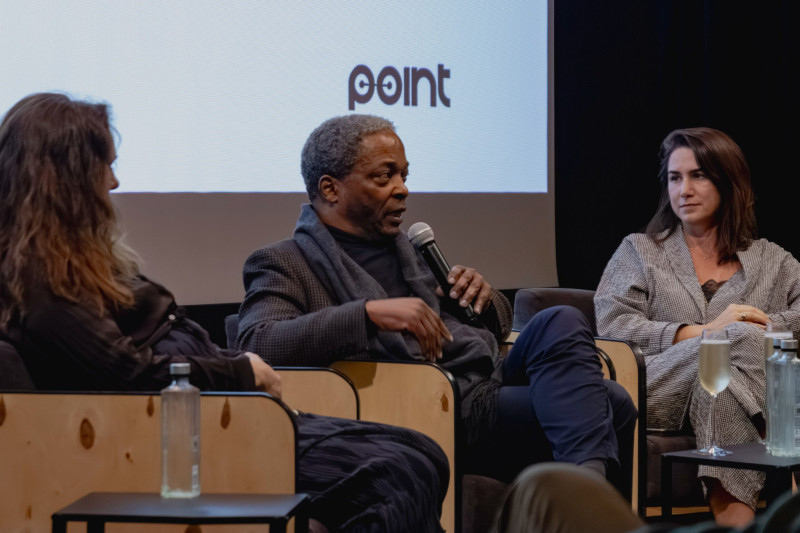
Talk X
Swiss curator Simon Njami (addresses the complexities and nuances of navigating careers between Africa and Europe)
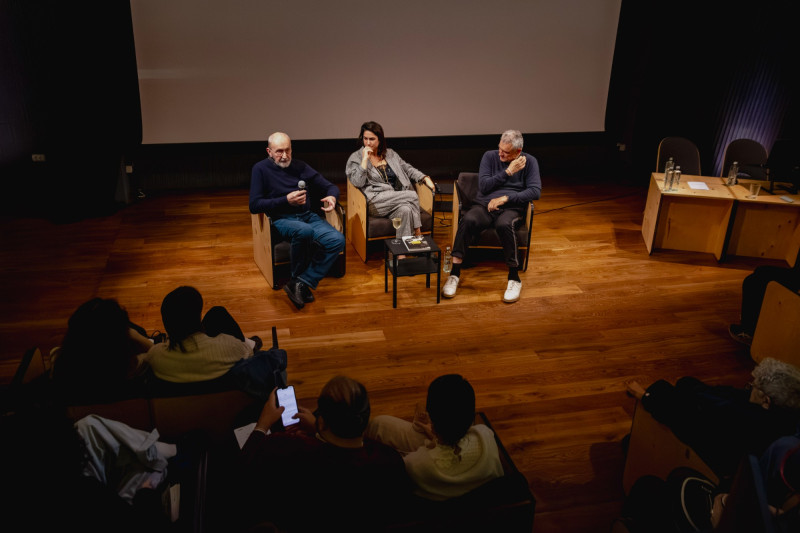
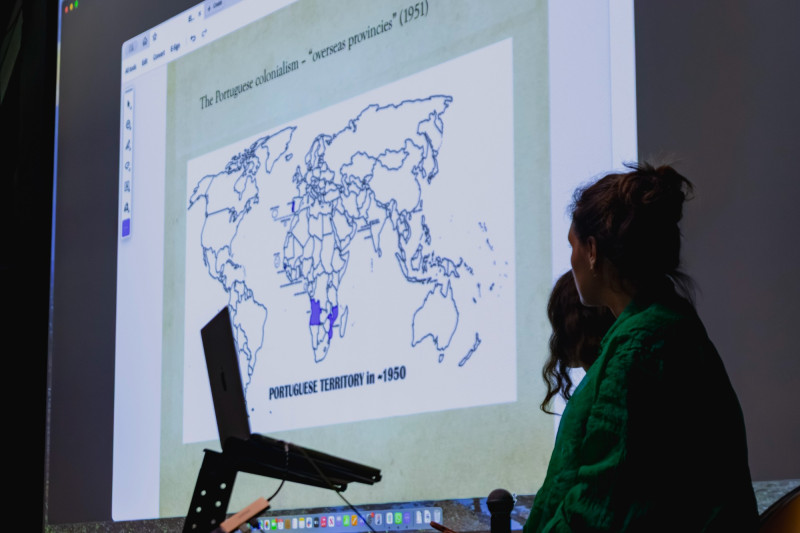
Talk VIII
Teodor Graur, Decebal Scriba (on the Romanian artistic context of the 1970s-1990s) (talk in Romanian)
Talk VIII
Teodor Graur, Decebal Scriba (on the Romanian artistic context of the 1970s-1990s) (talk in Romanian)
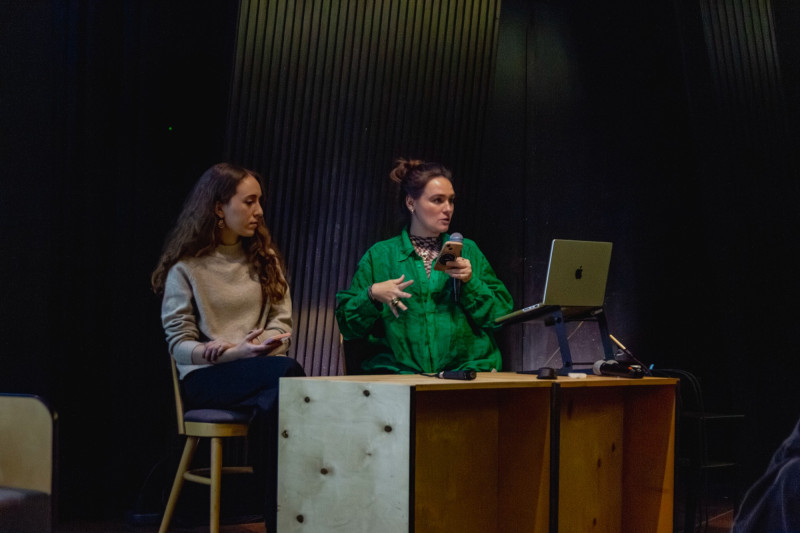
Talk I
lolanda Vasile (Independent researcher Romania-Southern Africa relations before 1989)
Have No Doubt of the Omnipotence of a Free People
Curator Raphael Guilbert and assistant curator Ana-Maria Stefan
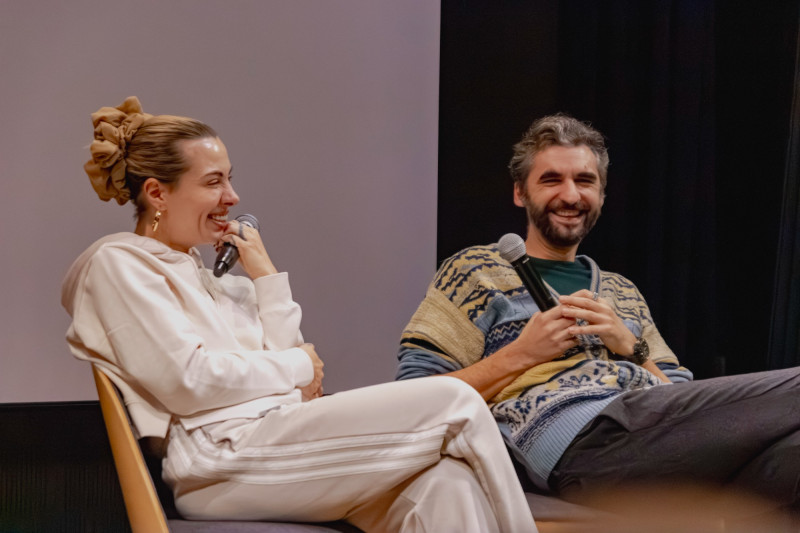
Talk V
A panel discussion with Virginia Lupu and Stefan Sava
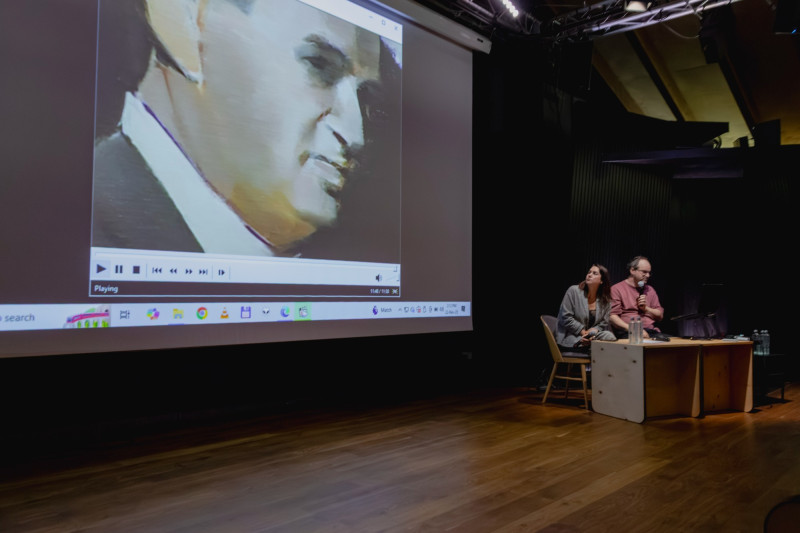
Talk VII
Ciprian Muresan (how the artist_s practice intersects with the heritage of socialist art and its paradoxes)
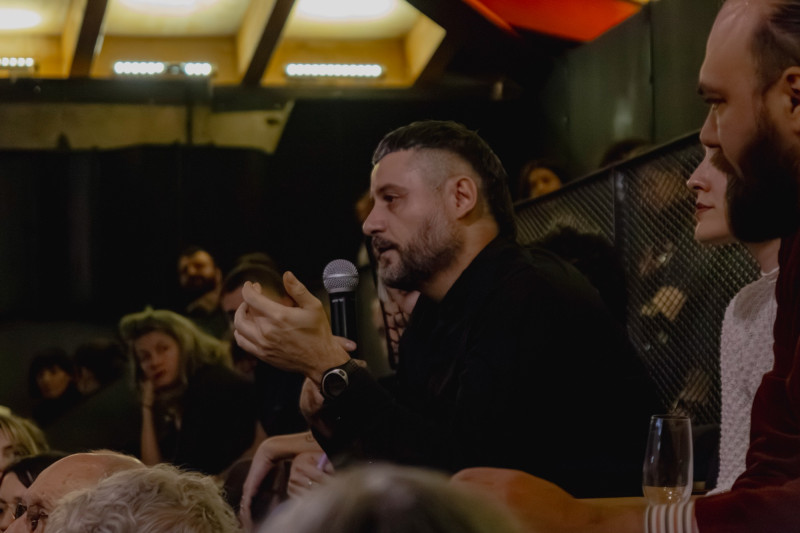
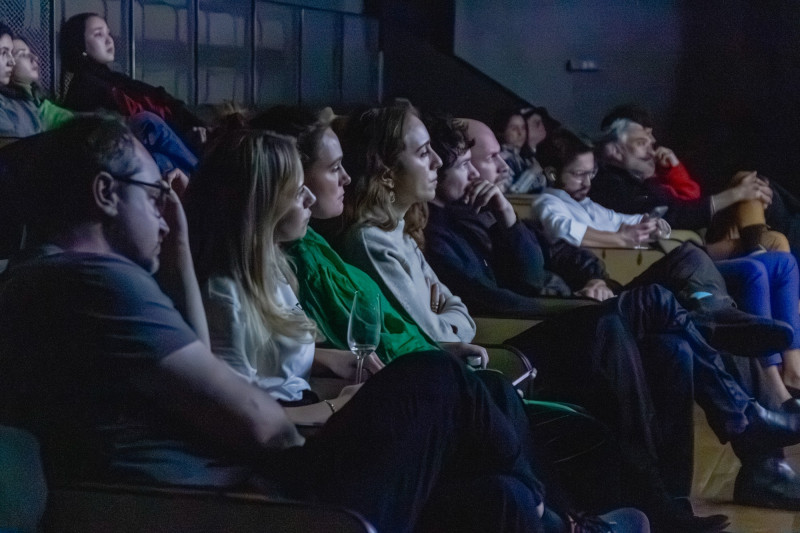
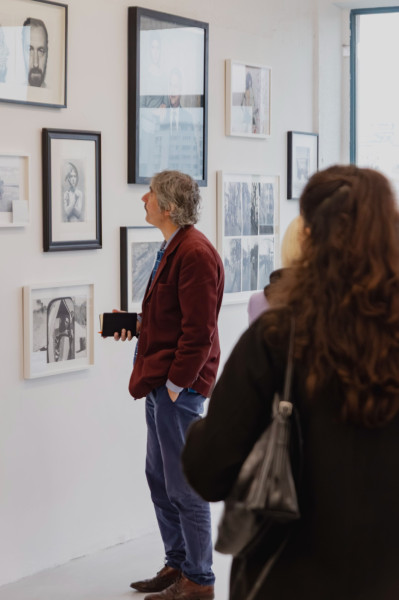
Guided tour of Have No Doubt of the Omnipotence of a Free People at Catinca Tabacaru Gallery

Have No Doubt of the Omnipotence of a Free People
Curated by Raphael Guilbert
Asisstant Curators Ana-Maria Stefan and Catinca Tabacaru
October 30, 2025 – February 28, 2026
Galeria Catinca Tabacaru
Calea Giulesti 14, 3rd floor, Bucharest
The Bucharest chapter of the exhibition is bringing together a significant body of historical works created in 1970s Romania and Zimbabwe, positioned alongside contemporary works that address memory, postcolonial legacies, and the politics of representation. The curatorial framework emphasizes generational exchange, crossing geographies and mediums to articulate a shared critical approach to historical rupture and cultural continuity. This architecture of juxtaposition highlights both the convergences and the divergences in artistic strategies, underscoring how art can be a site where political solidarities are negotiated, remembered, and reimagined.
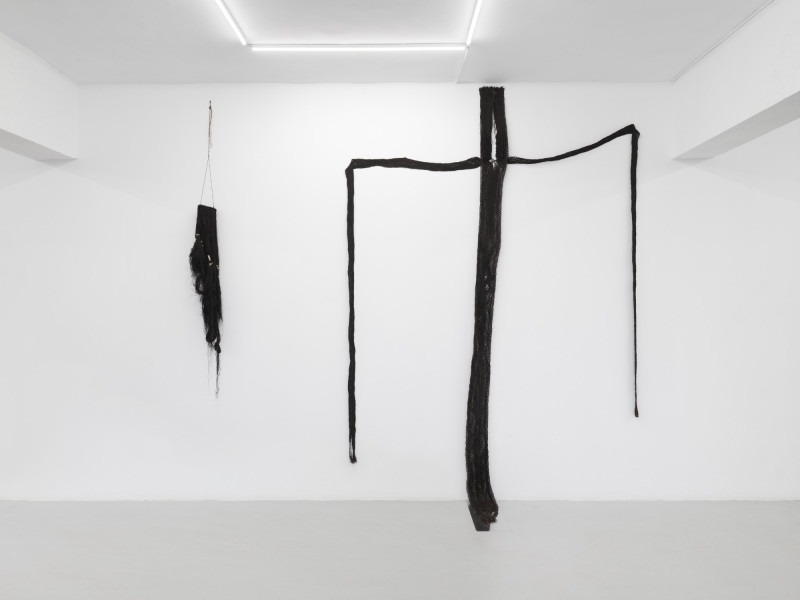
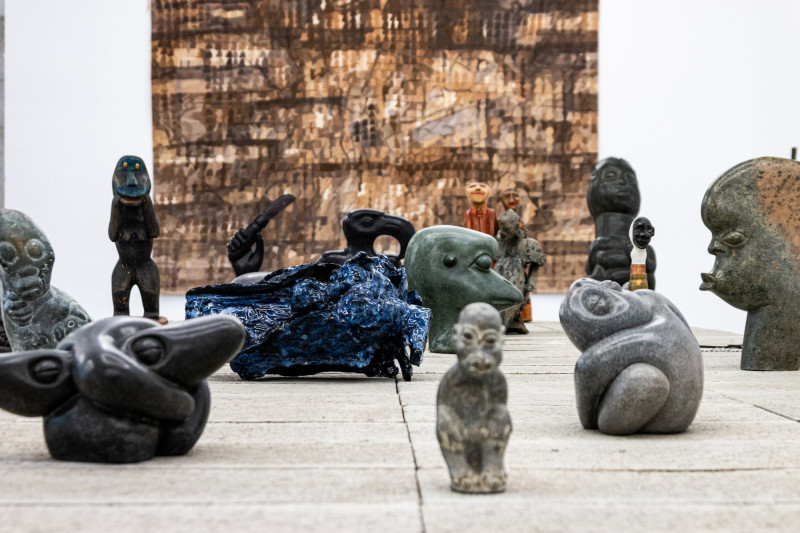
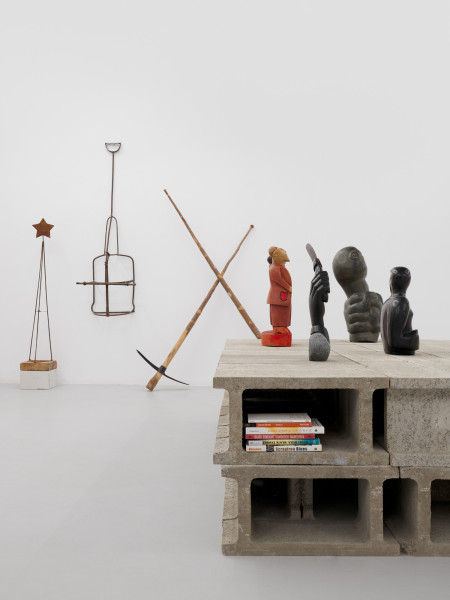
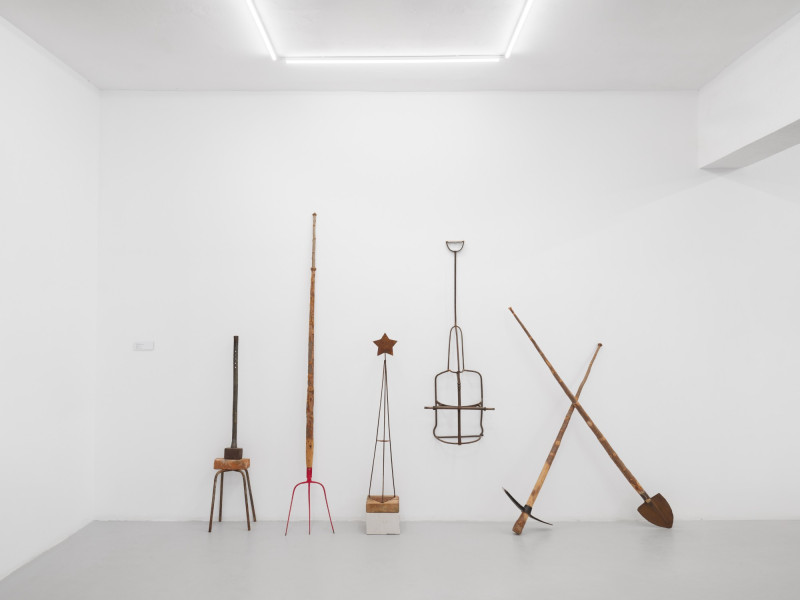

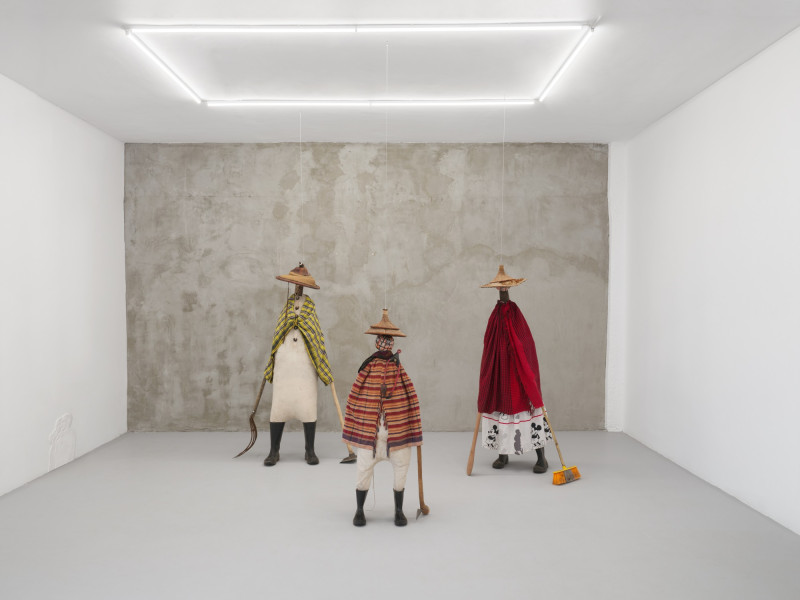
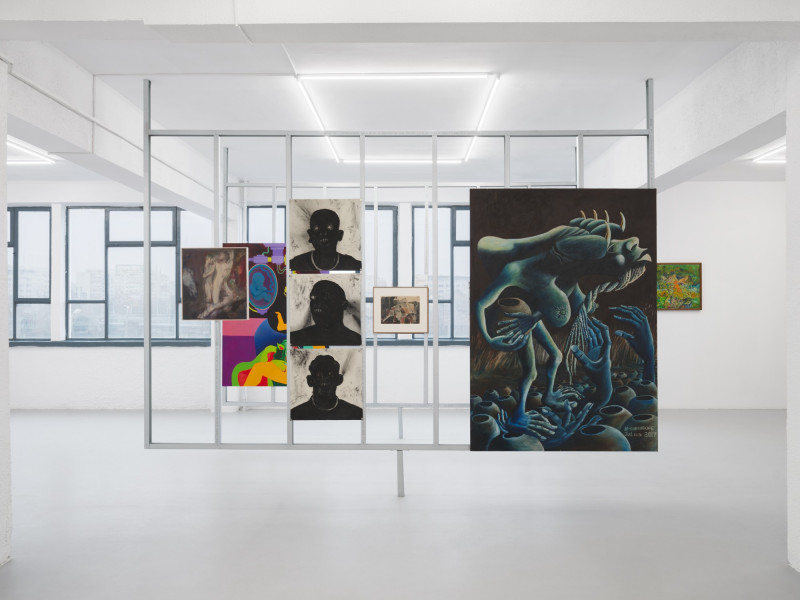
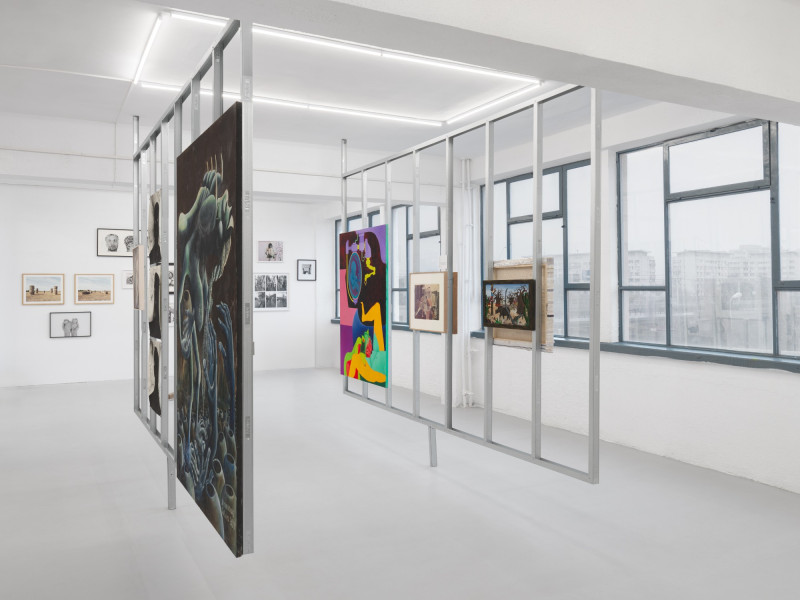
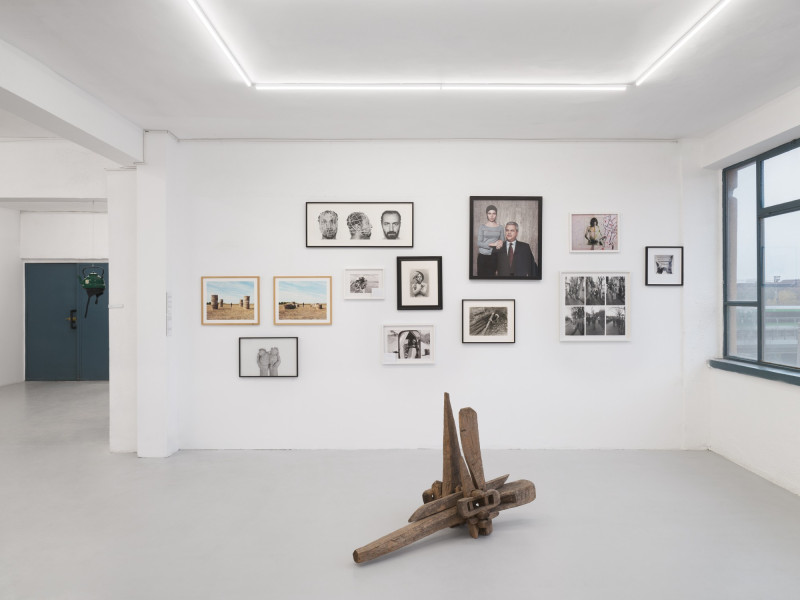
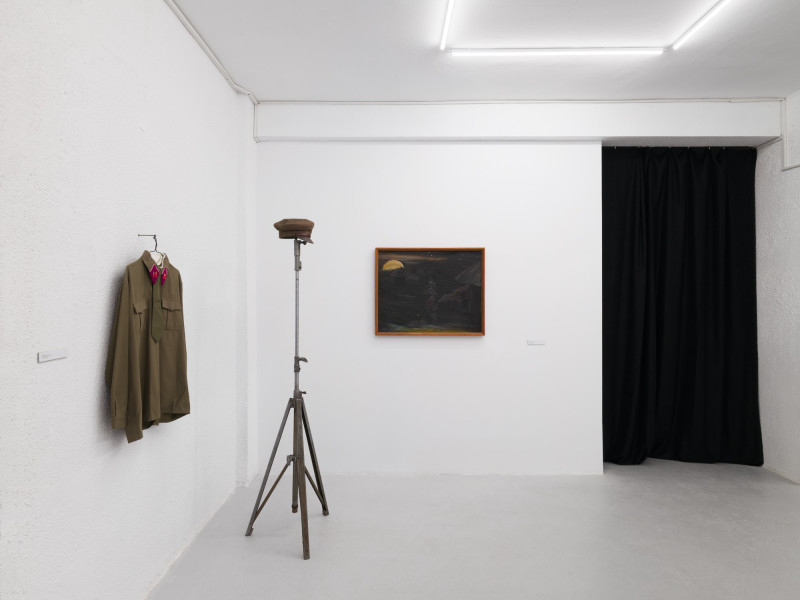
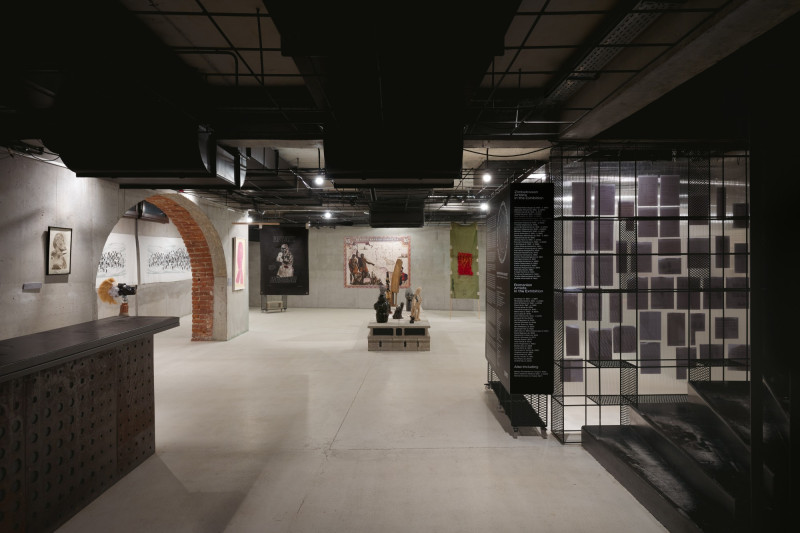
The satellite exhibition at POINT Bucharest
A second part of Have No Doubt of the Omnipotence of a Free People the first exhibition to examine Romania’s role in Zimbabwe’s liberation struggle during the 1970s, situating this overlooked history within the broader global processes of decolonization. The project brings together newly uncovered archival materials, first hand testimonials, original texts, and historical and contemporary artworks tracing how artistic production has reflected, and continues to reinterpret, the entanglements between post-communist and post-colonial realities.

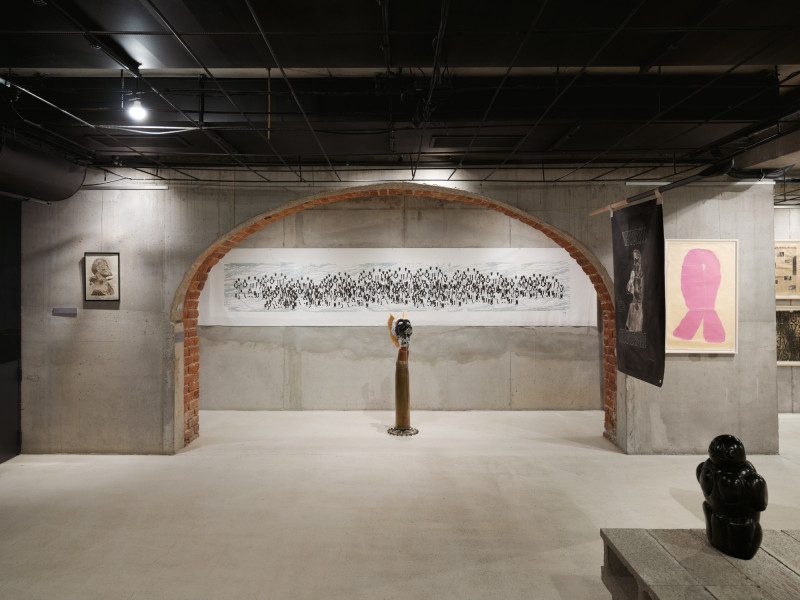
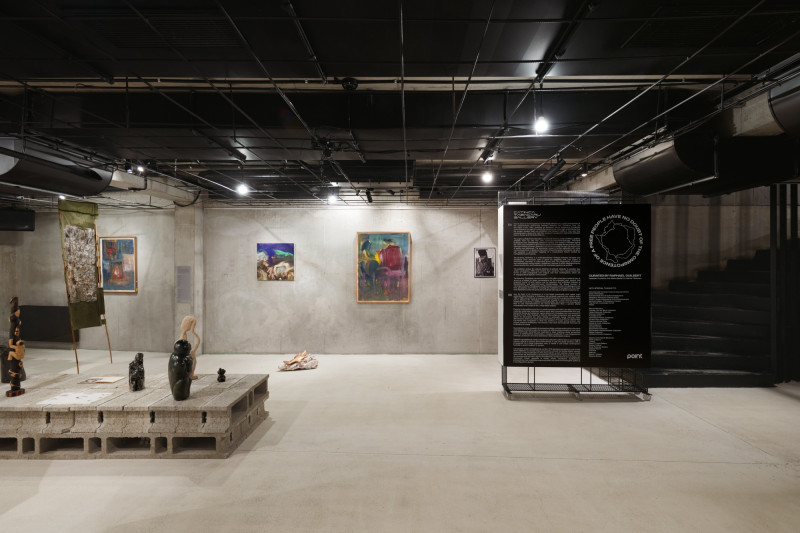
Have No Doubt of the Omnipotence of a Free People
A research project, publication and exhibition
Curated by Raphael Guilbert
Assistant curators Ana-Maria Stefan and Catinca Tabacaru
Exhibition:
October 30, 2025 – February 28, 2026
Catinca Tabacaru Bucharest
Calea Giulesti 14, 3rd floor
Satellite Exhibition:
November 7, 2025 – February 28, 2026
POINT Bucharest
General Eremia Grigorescu 10
Symposium:
November 21-22, 2025
POINT Bucharest
General Eremia Grigorescu 10
Catinca Tabacaru Gallery’s large-scale, research-driven project, Have No Doubt of the Omnipotence of a Free People, curated by Raphael Guilbert with assistant curators Catinca Tabacaru and Ana Maria Stefan, brings to light a largely overlooked chapter of the Romanian-Zimbabwean relationship—Romania’s active support for anti-colonial liberation movements across Africa, and in particular, its decisive role in Zimbabwe’s struggle for independence throughout the 1970s and leading up to its independence in 1980.
This exhibition brings together 68 artists and situates Romania within a wider global network of post-colonial solidarities, offering new insight into how cultural diplomacy, ideological alliance, and military exchange shaped international relations during the Cold War. Through an extensive body of archival materials—digitized for public access for the first time—alongside historical and contemporary artworks by artists from Zimbabwe and Romania, and first-hand video interviews with veterans of the Zimbabwean Liberation Front, the project advances a revised understanding of Romania’s geopolitical agency and its intersection with African liberation movements, specifically the dissolution of the Rhodesian settler regime and the emergence of independent Zimbabwe.
The exhibition examines how cultural production reflects, archives, and challenges narratives of state ideology and international alignment, bringing together Romanian modernist and neo-avant-garde artists—who defied aesthetic and ideological constraints through deeply personal and experimental practices—and Zimbabwean masters whose work emerged amid the struggle for independence. Alongside them, contemporary artists revisit these intertwined legacies, questioning what remains of the solidarities that once linked the socialist East and the decolonizing South.
By creating a dialogue between contemporary and historic artistic practices, the exhibition reflects on the long-term cultural effects of political solidarity and ideological projection. It explores how artistic vocabularies have both responded to and resisted state narratives, while tracing the ways artists from Romania and Zimbabwe are re-engaging with these legacies today—challenging inherited geopolitical frames, recovering personal and collective memories, and rethinking the entanglements of power, resistance, and trans-regional identity. The interlocking histories of the two countries serve as a bridge for broader conversations about their national pasts, presents, and futures, revealing—through the compounded perspectives of artists across time, geography, and medium—the multiplicity of lived experiences shaped by political and ideological pressure.
In doing so, the exhibition extends its inquiry beyond the historical frame, speaking to the urgency of the present—where the echoes of past solidarities reverberate against ongoing struggles for justice. At a moment when apartheid structures, settler violence, and asymmetries of power continue to define global realities, this reexamination of shared histories becomes not only an act of remembrance but an imperative gesture of solidarity. The exhibition insists on the continued relevance of these connections—reminding us that cultural and political solidarities remain vital tools in confronting enduring systems of domination.
Zimbabwean Artists
Thomas Mukarobgwa (b. 1924 – d. 1999)
Zephania Tshuma (b. 1932 – d. 2000)
Fanizani Akuda (b. 1932 – d. 2011)
Josiah Manzi (b. 1933 – d. 2022)
Paul Gwichiri (b. 1938 – d. 2020)
Nicholas Mukomberanwa (b. 1940 – d. 2002)
Joseph Ndandarika (b. 1940 – d. 1991)
Sylvester Mubayi (b. 1942 – d. 2022)
Thomas Mapfumo (b. 1945)
Locardia Ndandarika (b. 1945 – d. 2023)
Bernard Matemera (b. 1946 – d. 2002)
Bernard Takawira (b. 1948 – d. 1997)
Amon Mwareka (b. 1950 – d. 1992)
Dambudzo Marechera (b. 1952 – d. 1987)
Tapfuma Gutsa (b. 1956)
George Nene (b. 1959 – d. 2005)
Kennedy Musekiwa (b. 1962 – d. 2025)
Luis Meque (b. 1966 – d. 1998)
Julius Mushambadope (b. 1967)
Chikonzero Chazunguza (b. 1967)
Marvelous Mangena (b. 1970)
Sithabile Mlotshwa (b. 1975)
Roselyne Marikasi (b. 1980)
Admire Kamudzengerere (b. 1981)
Santiago Mostyn (b. 1981)
Mukudzei Muzondo (b. 1983)
Wallen Mapondera (b. 1985)
Portia Zvavahera (b. 1985)
Chiedza Pasipanodya (b. 1987)
Felix Shumba (b. 1989)
Fungai Marima (b. 1990)
Terrence Musekiwa (b. 1990)
Tanaka Mazivanhanga (b. 1991)
Kresiah Mukwazhi (b. 1992)
Romanian Artists
Ion Bitzan (b. 1924 – d. 1997)
Gheorghe Iacob (b. 1925 – d. 2020)
Geta Brătescu (b. 1926 – d. 2018)
Pavel Ilie (b. 1927 – d. 1995)
Viorica Iacob (b. 1935)
Cornel Brudașcu (b. 1937)
Mihai Olos (b. 1940 – d. 2015)
Ana Lupaș (b. 1940)
Iulian Mereuță (b. 1943 – d. 2015)
Decebal Scriba (b. 1944)
Ion Grigorescu (b. 1945)
Wanda Mihuleac (b. 1946)
Teodor Graur (b. 1953)
Dan Mihălțianu (b. 1954)
Gheorghe Ilea (b. 1958)
Călin Man (b. 1961) | Kinema Ikon (f. 1970)
Matei Bejenaru (b. 1963)
Alexandra Croitoru (b. 1975)
Ciprian Mureșan (b. 1977)
Mircea Cantor (b. 1977)
Vlad Nancă (b. 1979)
Cristi Pogăcean (b. 1980)
Ștefan Sava (b. 1982)
Larsia Sitar (b. 1984)
Hortensia Mi Kafchin (b. 1986)
Virginia Lupu (b. 1990)
Nona Inescu (b. 1991)
Ovidiu Toader (b. 1991)
Ana Pascu (b. 2000)
Andrei Nițu (b. 2000)
Also Including
Sandor Pinczehelyi (b. Hungary 1946)
Mark Verlan (b. Moldova 1963 – d. 2020)
Rachel Monosov (b. Russia 1987)
This project is realized with the generous support and guidance of:
Administraţia Fondului Cultural Naţional (AFCN), Romania
Chikonzero Chazunguza
Raphael Chikukwa
Dzimbanhete Arts & Culture Interactions, Harare
Simon Njami
Arhivele Diplomatice ale Ministerului Afacerilor Externe (MAE), Romania
National Gallery of Zimbabwe, Harare
The Herald Knowledge Center, Harare
POINT, Bucharest
Relicvar, Cluj
Decebal Scriba
Colecţia Răzvan Bănescu, Bucharest
Galeria Anne-Sarah Bénichou, Paris
Chester van der Bent Collection
blank projects, Cape Town
Centre Pompidou, Paris
Helga Callender Collection
Fundatia Iacob, Bucharest
Lutnița, Chisinau
Mosi O Tunya Gallery
Muzeul National de Arta Contemporana (MNAC), Bucharest
Ndandarika Family Collection, London
Gunter Péus Collection
Colecţia Mircea Pinte, Cluj
Galeria Plan B, Berlin
Gregor Podnar, Vienna
Galeria Anca Poterașu, Bucharest
Rohde & Frank Collection
P.P.O.W., New York
RUS Collection, Bucharest
Sector 1, Bucharest
Galerie-Shona, Hamburg
Staufenbiel Collection Staufenbiel-Wandschneider
Collection Weiss Collection
Wulfsohn Family Collection