All The Rage
Xavier Robles de Medina
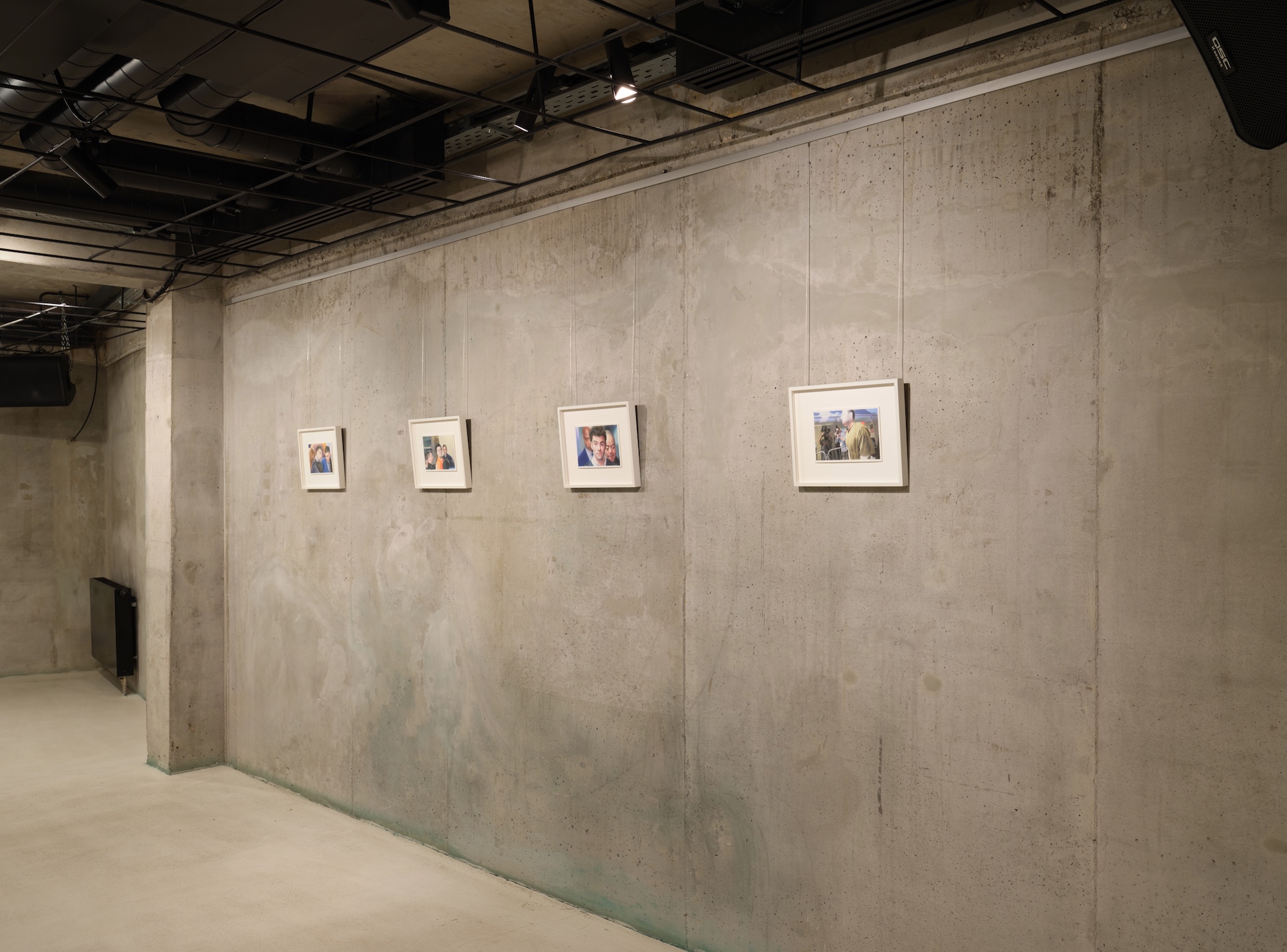
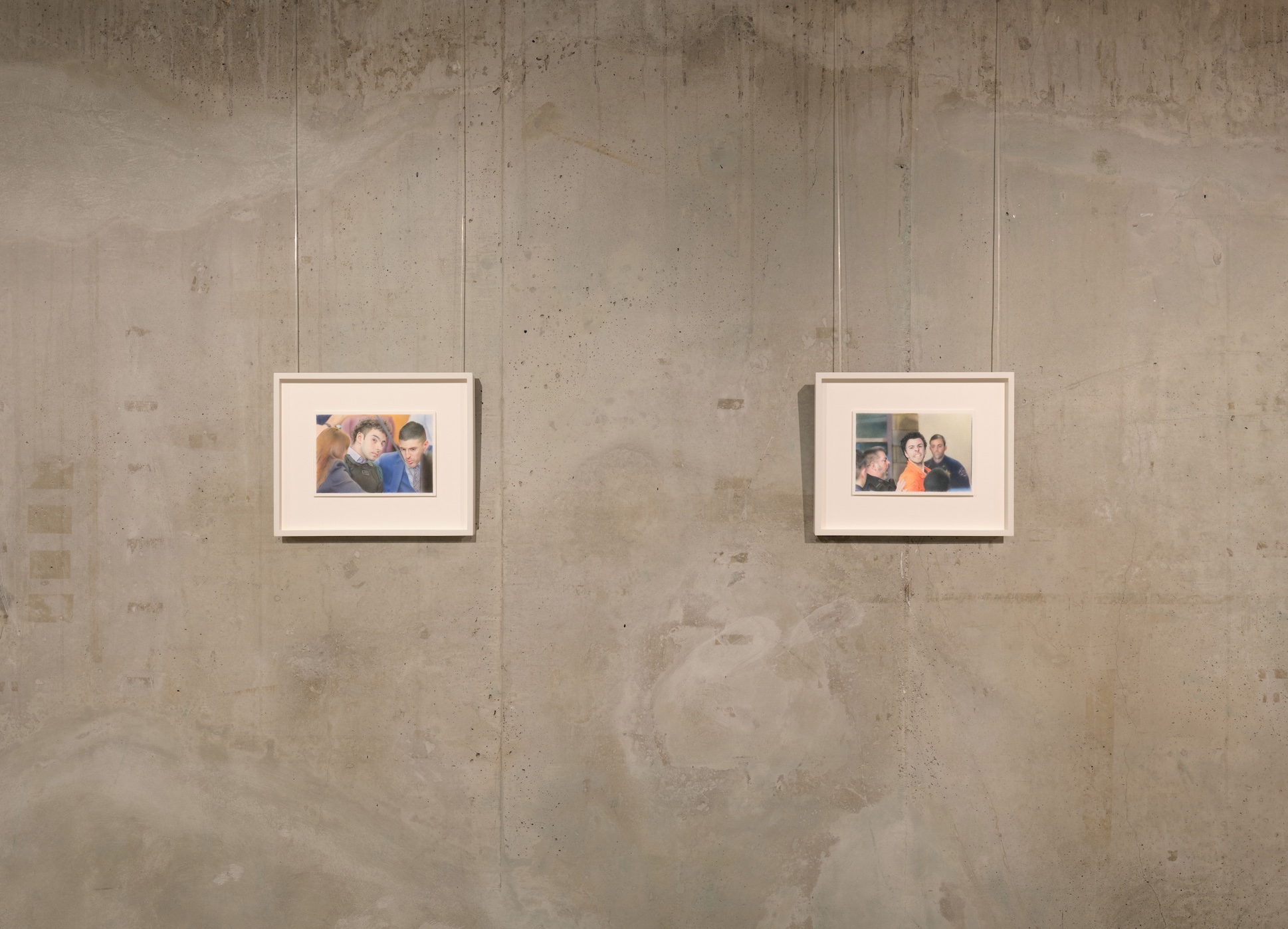
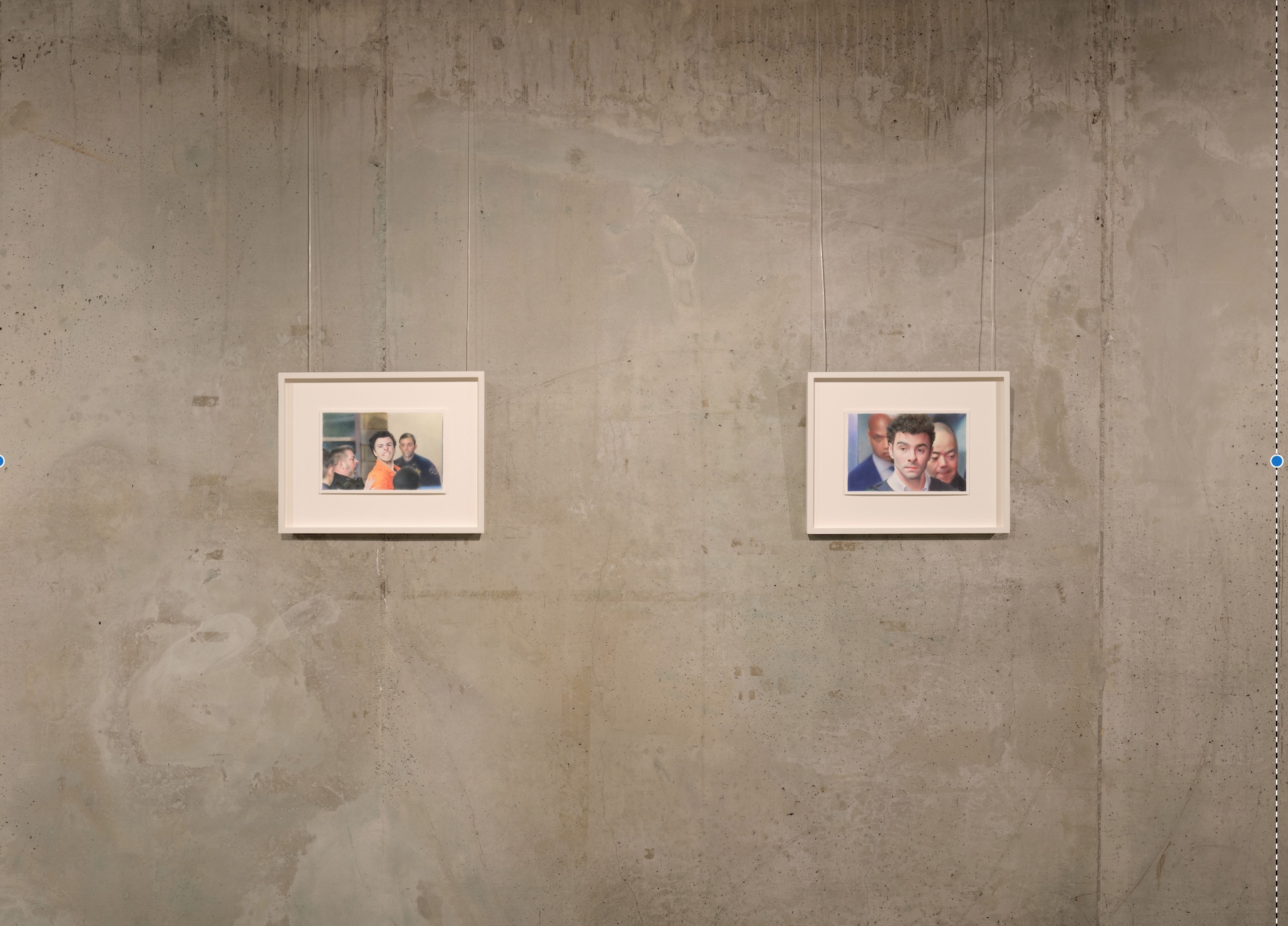
Xavier Robles de Medina: All the Rage
Xavier Robles de Medina is known for his research-driven practice, often working with archives and layered narratives that connect personal and political histories. Currently up in the Stedelijk Museum’s permanent collection exhibition, and earlier this year exhibited at Cobra Museum, Framer Framed, and CCS Bard Hessel Museum, his work explores how images shape and reflect contemporary experience.
A recent focus on the spectacle of late capitalism led the artist to make four small drawings in colored pencil. Rendered from contemporary news imagery, they depict Luigi Mangione, the American accused of shooting the UnitedHealthcare CEO in 2024. While awaiting trial, Mangione has become a lightning rod for today’s zeitgeist, splitting public opinion and revealing how power circulates through spectacle.
The series title, All the Rage (2025–2026), presents a double meaning: anger and fashion, urgency and commodification. Mangione’s likeness slips between recognition and dissolution, less a portrait than a reflection of a culture shaped by projection, repetition, and systemic stasis.
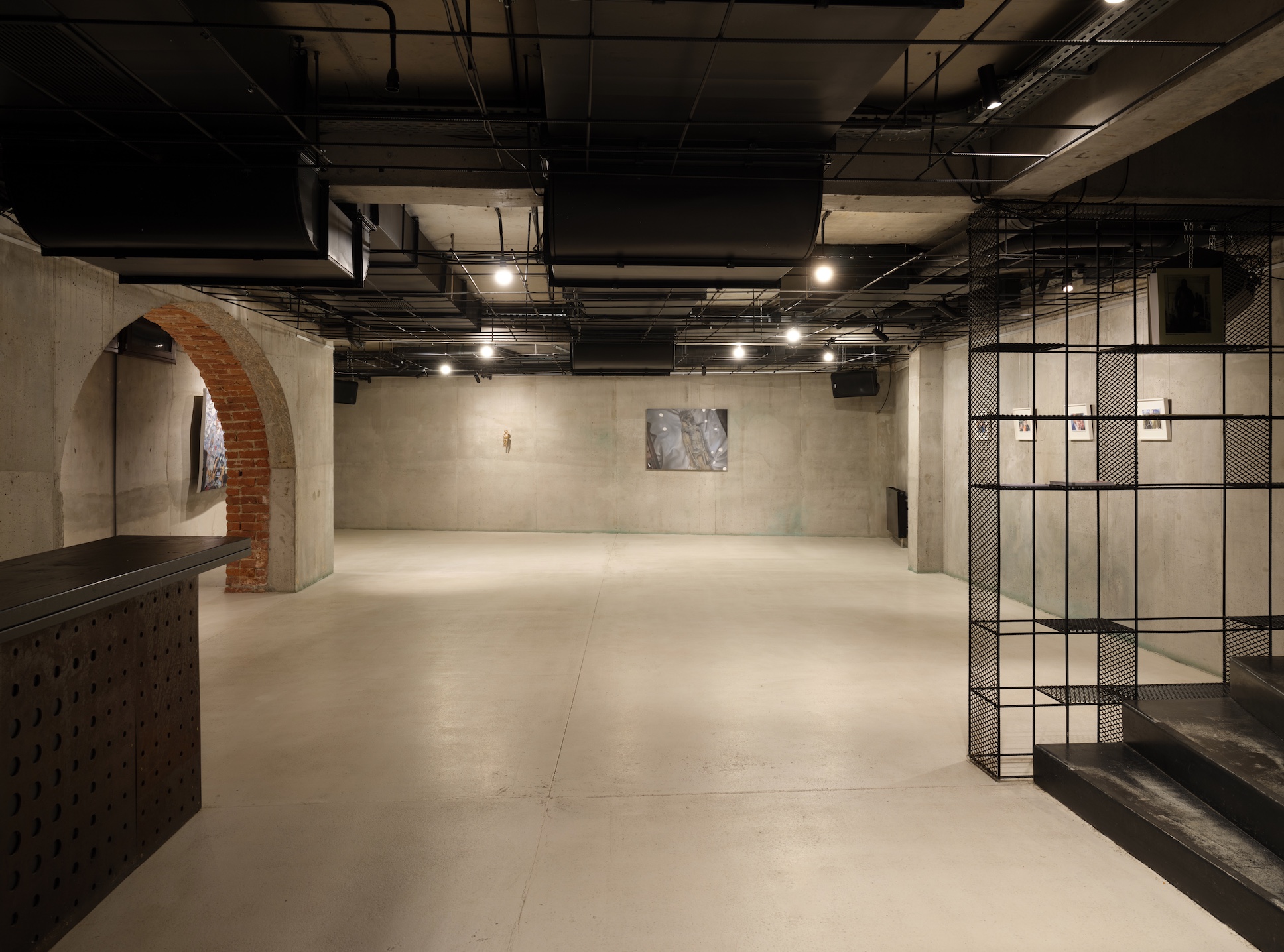
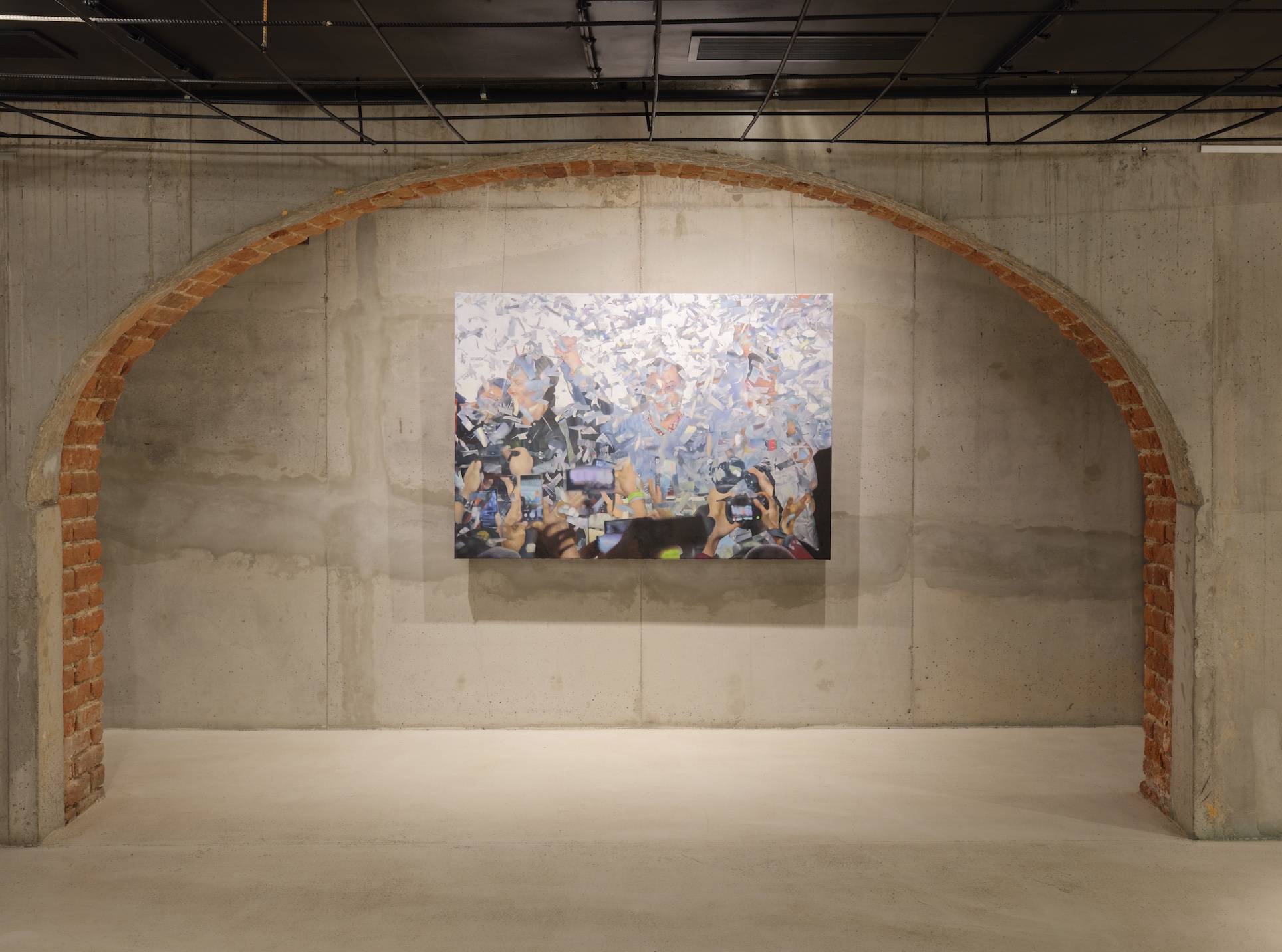
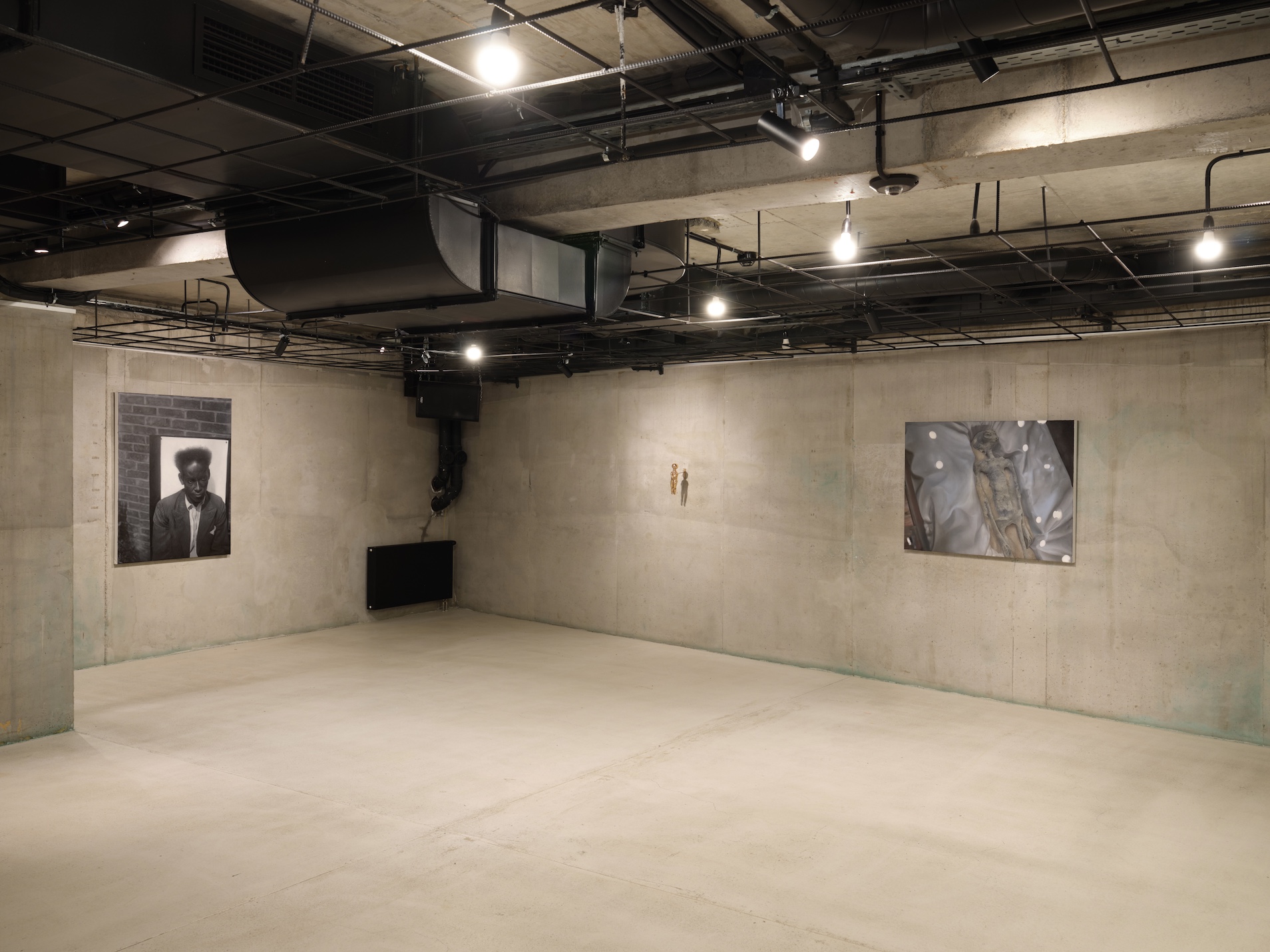
This concern with the construction and circulation of images extends across the exhibition. A large-scale oil painting, _Gustavo Petro, celebrating after a presidential election primary on 13 March 2022 in Bogotá _(2026), translates a moment of political triumph into a study of how gestures of victory become symbolic once mediated, suspended between documentation and myth.
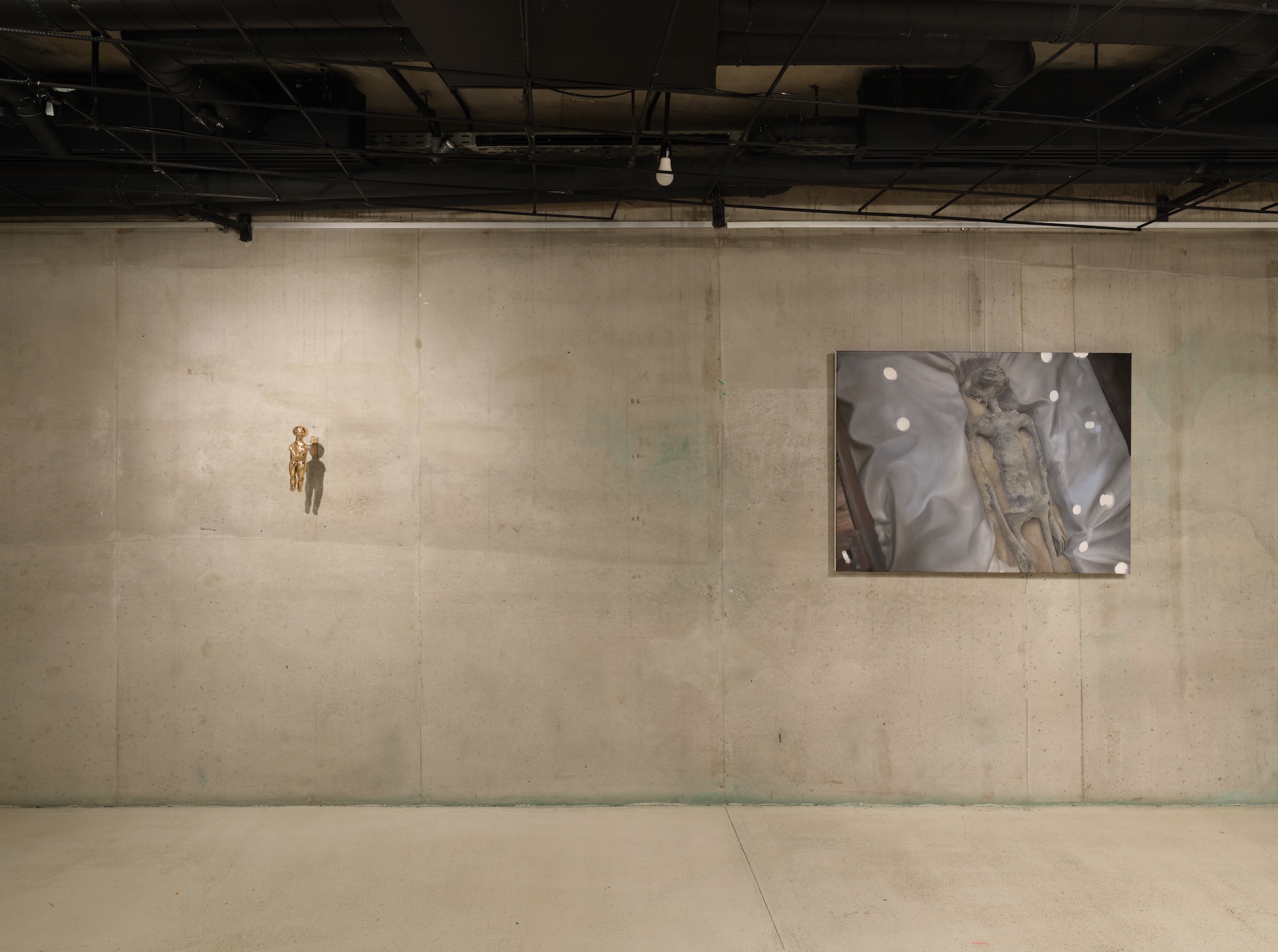
A similar tension unfolds in Mexican Senate hears testimony on extraterrestrial life: “We are not alone,” drawn from a televised hearing that oscillates between institutional authority and surreal theater. In the monochrome oil painting, belief and absurdity coexist, exposing how contemporary image culture absorbs even the most improbable narratives into shared frameworks of truth.
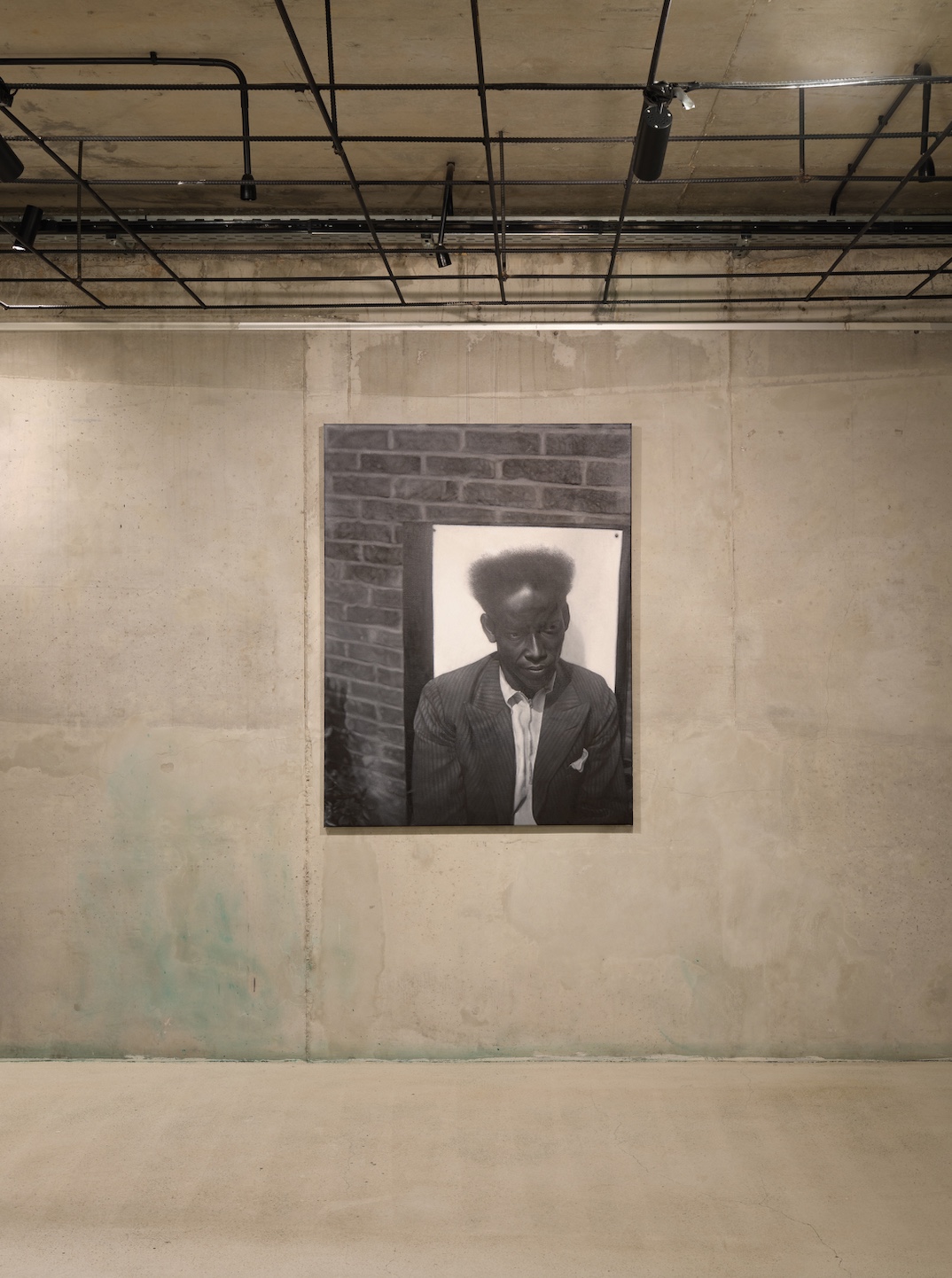
In Anton de Kom photographed by Piet Zwart, 1933 (2026), the artist turns to a historical image, slowing it down through painterly translation. The figure emerges and recedes through layers of uncertainty, foregrounding the fragility of memory and the instability of representation within colonial and postcolonial histories.
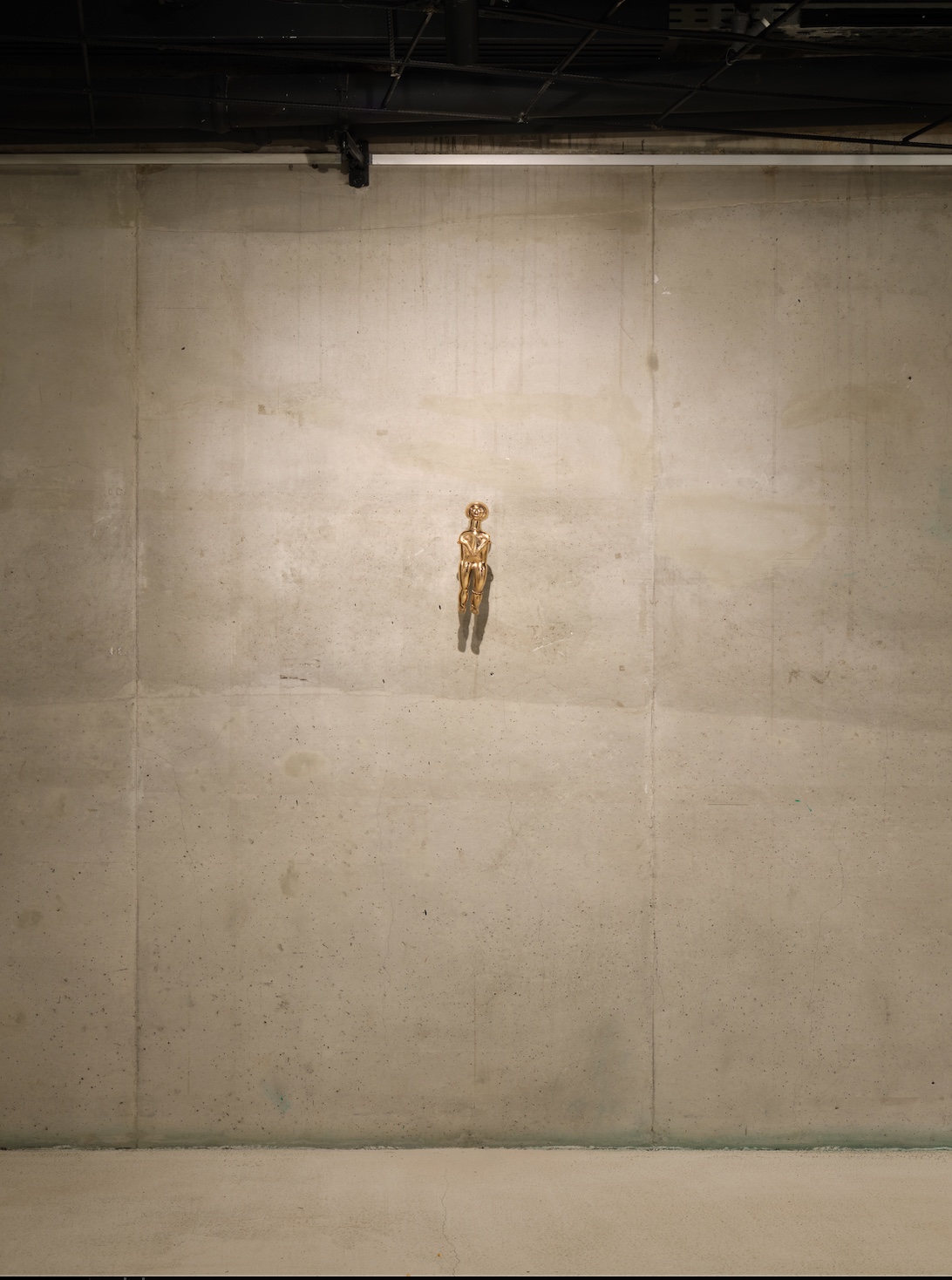
Next to it, a bronze work, a precise 1:1 scale reproduction of a wooden figure attributed to Saamaka or Creole makers from Suriname, originally collected before 1850 and now held in the Ethnologisches Museum in Berlin. The sculpture retains the original’s form while transforming its surface into a mirror-polished finish. No longer absorbing light as wood does, the figure reflects it, implicating the viewer and collapsing the distance between past and present.